Degreasing for galvanizing: the first bath decides the rest
Acid does not remove oil and zinc does not wet it. How to run the degreasing bath so pickling and fluxing can do their work.
Steel arrives at a galvanizing plant with cutting oil, drawing lubricant, grease and shop dirt on it. Hydrochloric acid does not remove oil, so oily areas do not pickle; and molten zinc will not wet them. Degreasing is the first bath for that reason, and many bare spots trace back to it.
Choose the chemistry
| Type | Typical temperature | Notes |
|---|---|---|
| Hot alkaline | About 60 to 80 °C | Fast and thorough; needs heating and a rinse after it, so alkali is not carried into the acid |
| Acid degreaser | Ambient to about 40 °C | Lower energy; can be followed directly by pickling; slower on heavy oil |
| Low-temperature alkaline | About 40 to 60 °C | A middle way; needs good agitation |
Run it by numbers
- Check strength every shift by titration and make up to the supplier's range.
- Hold the working temperature; a cold bath is the most common reason degreasing stops working.
- Give enough time; heavy oil needs longer, and agitation helps.
- Skim floating oil and remove sludge; a bath full of oil puts it back on the steel.
- Rinse after alkaline degreasing, and keep the rinse clean.
What degreasing cannot remove
Paint, varnish, lacquer, oil-based marking, weld slag, anti-spatter sprays and silicone do not come off in pretreatment. They need to be removed by blasting or grinding before the steel comes to the plant. Agreeing this with fabricators prevents most bare spots before they happen.
Heat for the degreaser
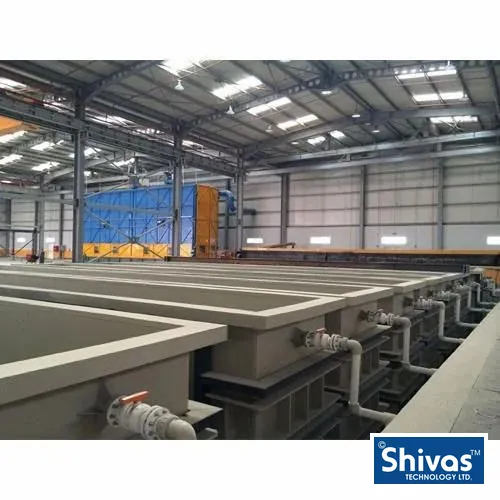
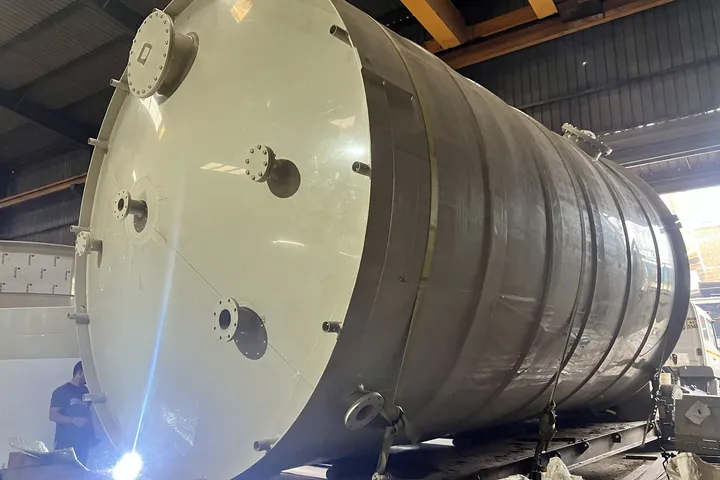
Heating the degreasing bath with heat the plant already makes, rather than a separate burner, cuts fuel cost. The tank itself must stand the chemistry and the temperature; our degreasing tanks are PP or PP-H, made in our own shop.