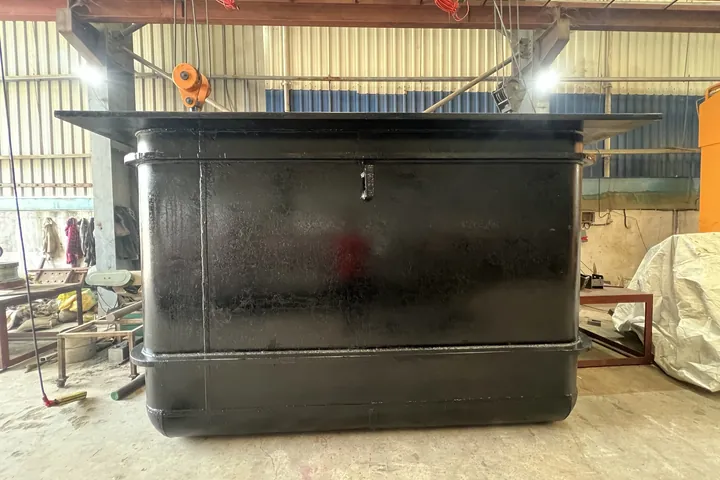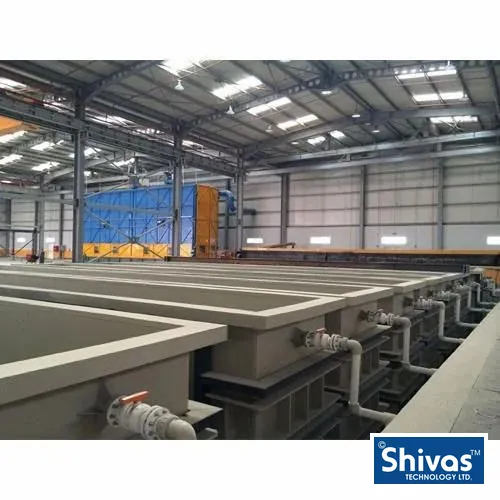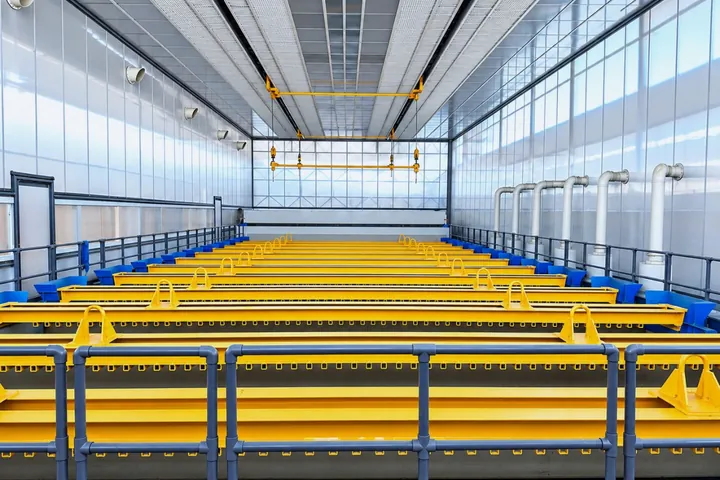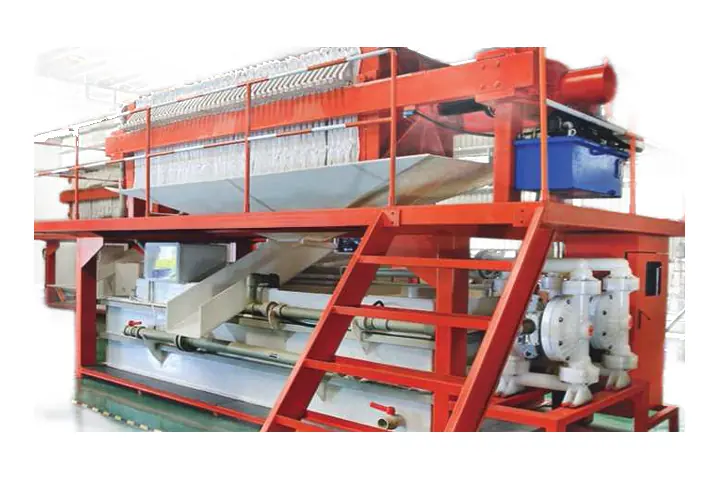
Wall temperature is controlled and logged; no local overheating.
SHIVAS Technology · Galvanizing
Galvanizing furnace
A galvanizing furnace that heats the kettle wall evenly, so the zinc stays at temperature and the kettle lasts.
- High-velocity burners
- Even wall heat
- Ceramic fibre lining
- Gas or oil fired
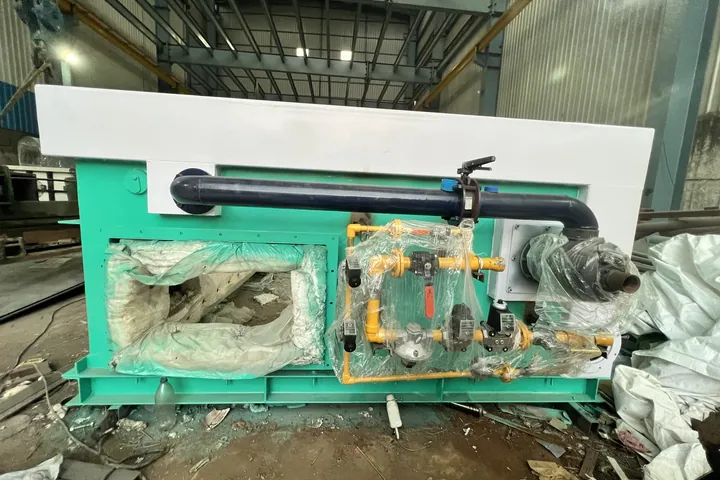 5 photos
Even wall heathigh-velocity firing along the walls
Ceramic fibre lininglow heat storage, fast response
Flue heat reusedsent to the dryer
Overview
A furnace has two jobs that pull against each other: put enough heat into the zinc to recover from each dip, and never let any part of the kettle wall get too hot. Hot spots dissolve the kettle and make dross. SHIVAS furnaces use high-velocity burners that drive hot gas along the walls, or electric elements in zones, so the heat flux is spread over the whole wall.
The casing is lined with ceramic fibre modules for low heat storage, the combustion space is shaped so the gas circulates round the kettle, and the flue gas is taken off to the dryer instead of the stack. Temperatures in the zinc and on the wall are measured and controlled by PLC.
Why it pays
Good lining, tight casing and flue recovery cut fuel per tonne.
Burner turndown and pulse firing recover the bath after heavy dips.
Natural gas, LPG, LDO or furnace oil, or a fully electric furnace.
Technical specification
Typical ranges. Every unit is sized to your duty; the offer carries the exact figures.
| Firing | High-velocity burners, pulse high / low, two or more per kettle |
|---|---|
| Fuels | NG, LPG, LDO, FO; dual fuel on request |
| Lining | Ceramic fibre modules with backup insulation |
| Control | PLC with zinc and wall thermocouples, burner management |
| Heat recovery | Flue gas to the dryer |
| Rating | Sized from kettle size and throughput; see the plant calculator |
Calculator
Work it out for your own plant. Every input is a typical value you can change and the results follow as you type; send the result to us and we reply with a proposal.
How it works
Furnace · 2 HV burners
Watch it run →Two high-velocity burners fire from the two end faces of the furnace, diagonally opposite, each one along a long wall. Pulse firing switches each burner between high and low fire on a timed cycle, so the jets keep the hot gas circling the kettle and the wall heats evenly at any load.
Shown running as: Pulse firing · Steady high fire
Main parts
- 1Burner 1End face, firing along the near long wall.
- 2Burner 2Opposite end face, diagonally across, firing back along the far wall.
- 3Combustion spaceGap between kettle and lining where hot gas circulates.
- 4Zinc kettleHeated through its walls; bath at about 450 °C.
- 5Flue outletFlue gas goes on to the dryer.
- 6Wall thermocouplesWatch the kettle wall so no zone runs hot.
- 7BCU + UV per burnerEach burner has its own burner control unit and UV scanner. Direct spark ignition, no pilot.
At a glance
- Burners
- 2 × high velocity
- Position
- End faces, diagonal
- Firing
- Pulse · high / low
- Ignition
- Direct spark, UV proved
Options, build and uses
Options
- Electric kettle furnace
- Dual-fuel gas train
- Kettle cover for idle hours
- Relining of existing furnaces
How we build it
- Casing and structure fabricated in our shop
- Burners and safety valves from established makers, selected and tuned by SHIVAS
Who it is for
- New plants
- Replacing old pot-fired or flat-flame furnaces
- Fuel change (oil to gas)
Part of
3D model
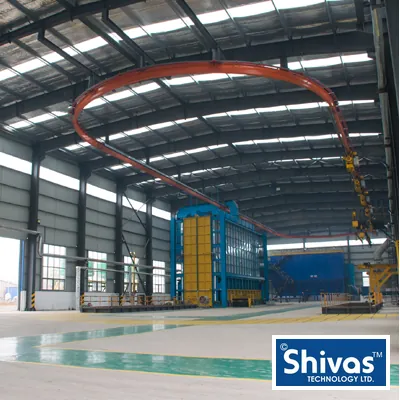
Open the interactive 3D →Computer model from a real SHIVAS project. It shows the arrangement; it is not a photo.
From our engineers
Questions buyers ask
How much fuel will it use?
Fuel per tonne depends on throughput and idle hours, because the bath loses heat all day. The plant calculator shows the split.
Can we change from oil to gas later?
Yes, with a dual-fuel burner and gas train planned at the start.
Enquiry · Galvanizing furnace
Get a quote
Tell us the capacity, sizes and site. We reply with a scheme, a layout and an offer.
What we need for your quote
- Kettle size
- Fuel and its pressure or supply
- Throughput
- Existing furnace drawing if replacing