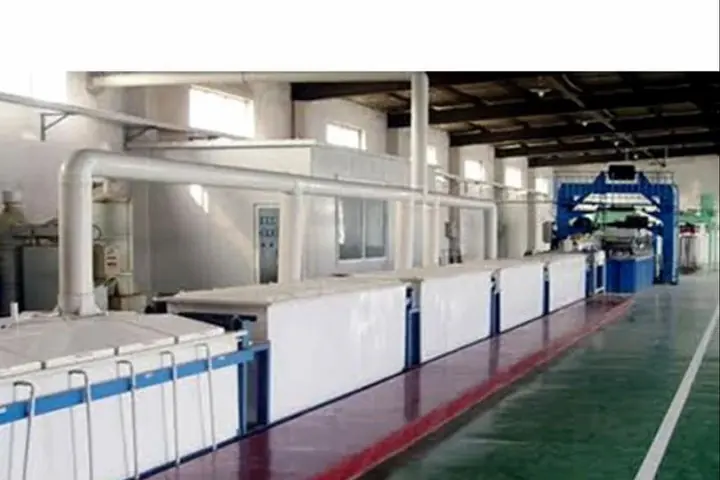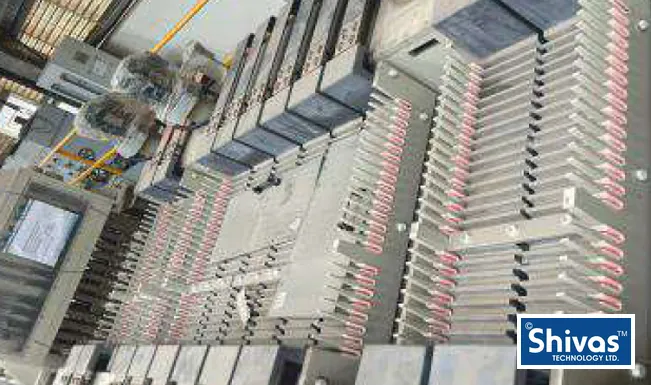
Controlled concentration and iron.
SHIVAS Reinplast · Products
Pickling plants
Pickling plants for strip, wire and batch work: tanks, fume capture, scrubbing and acid management designed as one.
- Push-pull lines
- Continuous lines
- Fumeless wire
- Pipe and structure
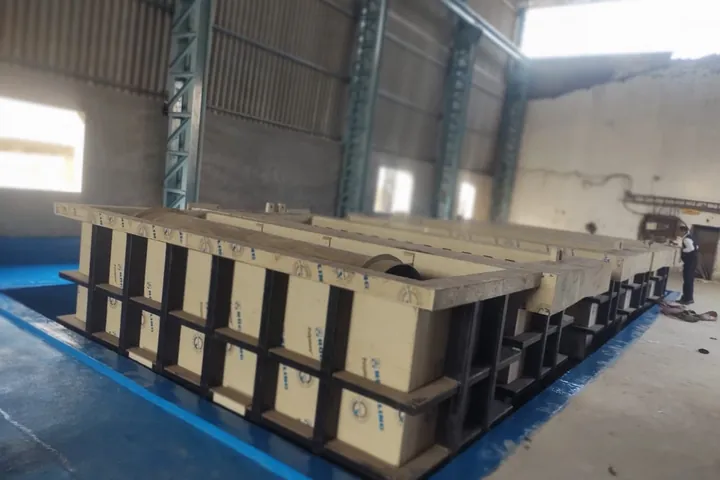 4 photos
Strip · wire · batchpush-pull, continuous, fumeless or dip
Closed acid looprecovery or regeneration
Fume capturedscrubbed before the stack
Overview
Pickling removes scale with acid, usually hydrochloric. A good plant controls acid strength, iron content and temperature so pickling is fast and acid use is low, and keeps the fume inside the equipment.
SHIVAS Reinplast designs strip pickling lines, fumeless multi-strand wire pickling and batch pickling for pipes, tubes and structures, with tanks, hoods, scrubbers, acid recovery and effluent treatment.
Why it pays
Hoods and scrubbers built in.
PP-H and FRP.
Tanks to effluent.
Technical specification
Typical ranges. Every unit is sized to your duty; the offer carries the exact figures.
| Types | Push-pull or continuous strip, fumeless wire, batch dip |
|---|---|
| Acid | HCl, H₂SO₄ |
| Tanks | PP-H, FRP, PP-FRP |
| Fume | Lip or tunnel extraction to scrubber |
| Acid management | Recovery, regeneration or neutralisation |
Calculator
Work it out for your own plant. Every input is a typical value you can change and the results follow as you type; send the result to us and we reply with a proposal.
How it works
Push-pull pickling line
Watch it run →Each coil is threaded on its own: entry pinch rolls push the strip head through the acid tanks until the recoiler grips it and pulls the coil through at speed. No welder and no loopers, so it suits mixed widths and gauges.
Main parts
- 1UncoilerHolds the hot-rolled coil.
- 2Pinch rolls + levellerPush the strip head and flatten it.
- 3ShearCrops head and tail.
- 4Pickling tanksShallow, covered HCl tanks.
- 5RinseCascade spray rinse.
- 6DryerHot air dries the strip.
- 7OilerLight oil film against rust.
- 8RecoilerGrips the head and pulls the coil through.
At a glance
- Threading
- Coil by coil
- Welder
- None
- Loopers
- None
- Suits
- Mixed widths, gauges
Continuous pickling line
Watch it run →Coil ends are welded together so strip never stops in the acid. An entry looper stores strip while the entry section halts for each weld, and an exit looper does the same at the coiler, so the process section runs at constant speed.
Main parts
- 1UncoilersOne runs while the next coil is prepared.
- 2Shear + welderCrops and welds the new coil to the old tail.
- 3Entry looperStores strip so the process never stops for a weld.
- 4Scale breakerTension leveller cracks scale before the acid.
- 5Pickling tanksLong turbulent HCl tanks.
- 6Rinse + dryerCascade rinse and hot-air drying.
- 7Exit looperBuffers strip during coil change at the exit.
- 8RecoilerCoils the finished strip.
At a glance
- Strip
- Welded, endless
- Loopers
- Entry + exit
- Process speed
- Constant
- Suits
- High tonnage
Fumeless wire pickling
Watch it run →Wire runs as up to 50 parallel strands through fully covered acid, rinse and coating tanks. Covers and extraction keep the fume inside the line, so the shop stays clear. Set strands, speed and size to see the throughput.
Main parts
- 1Payoff standOne coil per strand, up to 50.
- 2Covered acid tanksClosed hoods with extraction; fume never reaches the shop.
- 3Cascade rinseCounter-flow rinse saves water.
- 4Coating tankBorax or phosphate carrier for drawing.
- 5DryerSets the coating.
- 6Take-upA coiler for each strand.
- 7ExtractionTo the scrubber.
At a glance
- Strands
- 1 to 50
- Fume
- Contained
- Rinse
- Cascade
- Coating
- Borax / phosphate
Tunnel pickling
Watch it run →The whole pretreatment line sits inside a closed tunnel. An internal hoist carries each jig from tank to tank; roller doors open only to let a jig in or out. Roof hoods pull the fume to a scrubber, fresh air enters low through louvres, and the shop floor stays clear of acid mist.
Shown running as: Running · Fume view
Main parts
- 1Tunnel enclosurePP / FRP-clad tunnel over the tank row. Fume stays inside.
- 2Entry doorFast roller door, opens only for the incoming jig.
- 3Exit doorOpens to hand the jig to the dryer.
- 4Internal hoistTravels on its own runway inside the tunnel and dips each jig.
- 5Process tanksDegrease, pickle, rinse and flux in PP-H.
- 6Roof extractionHoods along the roof keep the tunnel under slight negative pressure.
- 7Fume scrubberPacked-bed scrubber neutralises the acid fume.
- 8FRP blower + stackPulls the air through the scrubber and out of the stack.
- 9Fresh-air louvresMake-up air enters low and sweeps fume upward.
At a glance
- Enclosure
- PP / FRP
- Handling
- Internal hoist
- Doors
- Fast roller
- Air
- Negative pressure → scrubber
Closed-loop pickling
Watch it run →Every waste stream from a pickling or galvanizing shop has somewhere to go. Spent acid goes to regeneration and comes back as acid, rinse water goes through the ETP and ZLD and comes back as water, fume is scrubbed, and what is left leaves as dry salt and filter cake.
Main parts
- 1Pickling tanksPP-H tanks with lip extraction.
- 2Fume scrubberScrubs the extracted fume; bleed goes to the ETP.
- 3Acid regenerationSpent acid back to fresh acid plus iron oxide.
- 4ETPNeutralise, settle, filter.
- 5ZLDRO, evaporator and ATFD.
- 6Water backPermeate and condensate return to the rinses.
- 7Solids outIron oxide, filter cake and dry salt.
At a glance
- Acid
- Regenerated
- Water
- Back to process
- Fume
- Scrubbed
- Discharge
- Zero liquid
Options, build and uses
Options
- Rinse cascades
- Hot air dryers
- Acid regeneration
How we build it
- Fabricated by SHIVAS Reinplast
Who it is for
- Strip mills
- Wire plants
- Pipe and tube makers
- Galvanizers
What this plant is built from
In process order. Each one has its own page.
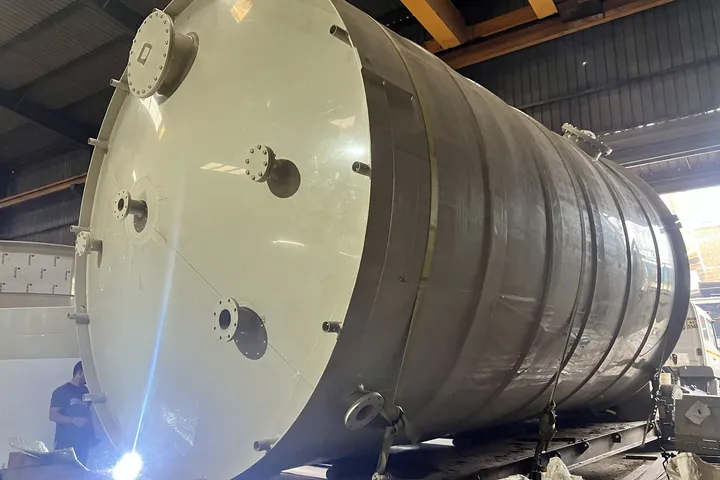 01 PP & PP-H process tanksSHIVAS Reinplast · 24 photos
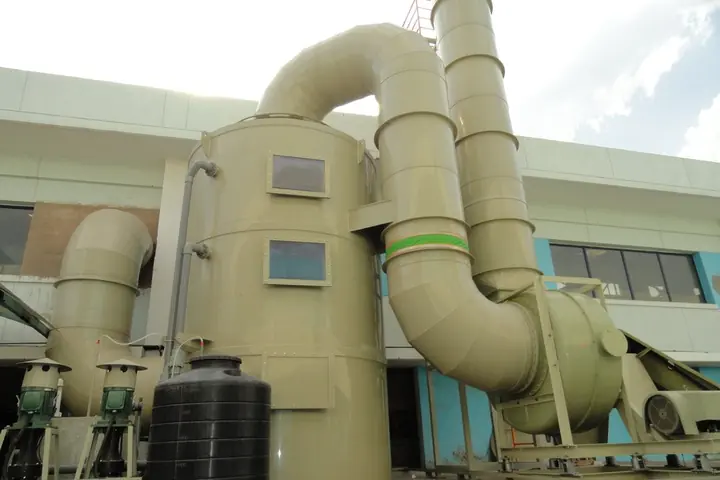 02 Fume scrubbers & extractionSHIVAS Reinplast · 12 photos
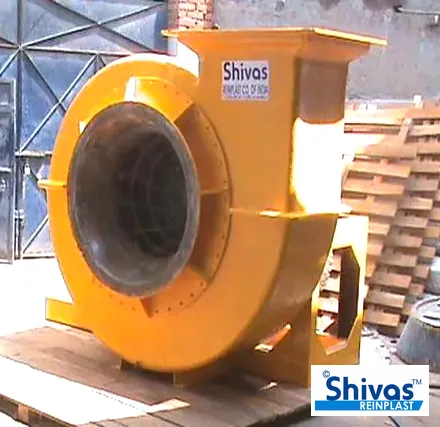 03 FRP blowersSHIVAS Reinplast · 2 photos
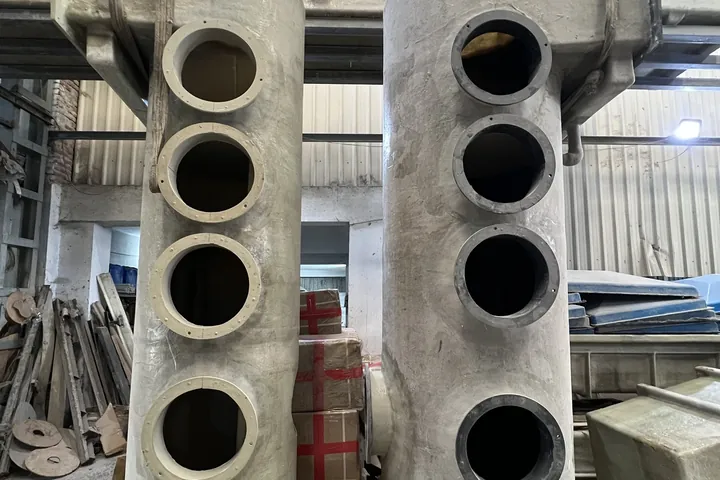 04 FRP ducts & pipelinesSHIVAS Reinplast · 6 photos
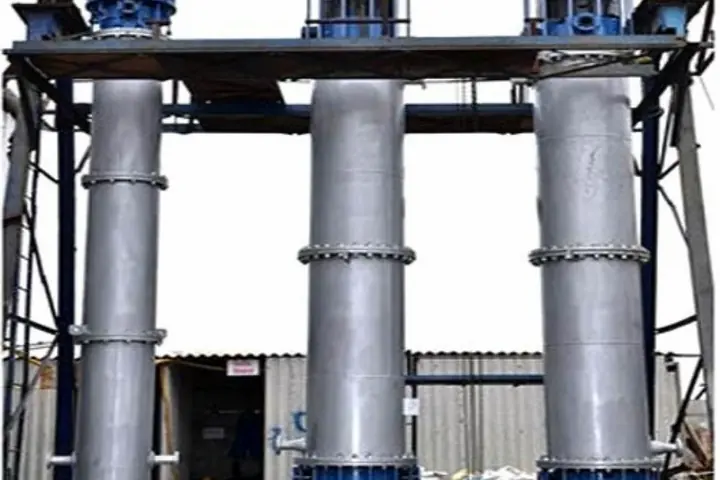 05 Graphite heat exchangersSHIVAS Reinplast · 5 photos
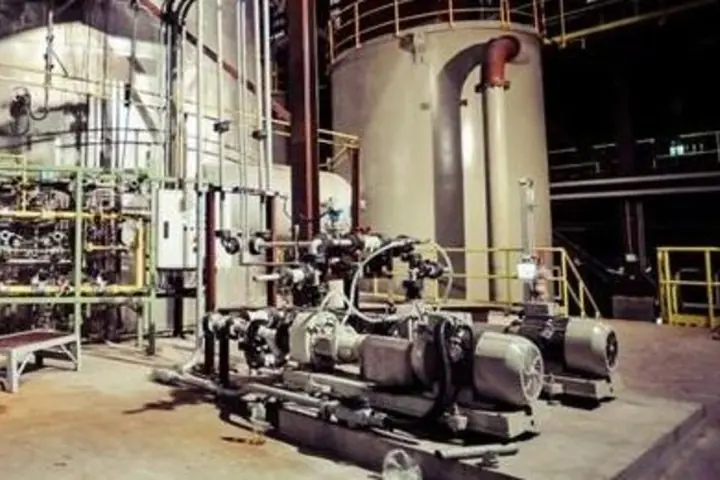 06 Acid regeneration & recoverySHIVAS Reinplast · 1 photo07 Effluent treatment plantsSHIVAS Reinplast
3D model
Computer model from a real SHIVAS project. It shows the arrangement; it is not a photo.
From our engineers
Questions buyers ask
Can you reduce our acid bill?
Usually, by controlling iron and recovering acid; we start from your analysis.
Enquiry · Pickling plants
Get a quote
Tell us the capacity, sizes and site. We reply with a scheme, a layout and an offer.
What we need for your quote
- Product and size
- Throughput
- Acid used today
- Space