Drying before the kettle
Wet work splashes, makes ash and cools the bath. Dry work dips faster and comes out cleaner. How to dry well without spoiling the flux.
Work that goes from the flux tank straight into molten zinc carries water with it. The water flashes to steam at 450 °C, which throws zinc out of the kettle, breaks up the flux film and makes extra ash. It also takes heat from the bath, so the work needs longer in the zinc before it reacts.
What a dryer gives you
- Less splashing and a safer kettle side.
- Less zinc ash, because the flux burns off evenly.
- Shorter immersion and less load on the furnace, because the steel arrives warm.
- Fewer bare spots and flux inclusions.
How hot
Dry the work until it is fully dry, with the steel warm. Typical dryer air temperatures are about 100 to 150 °C. Do not overheat: flux that is baked too hot or too long breaks down and stops protecting the steel, and the result is bare spots. The right time depends on section thickness; heavy steel needs longer to warm.
| Problem | Likely cause |
|---|---|
| Splashing at the kettle | Work still wet; pockets holding flux |
| Bare spots after a dryer upgrade | Dryer too hot or work left too long |
| Long immersion, cold bath | Steel entering the zinc cold |
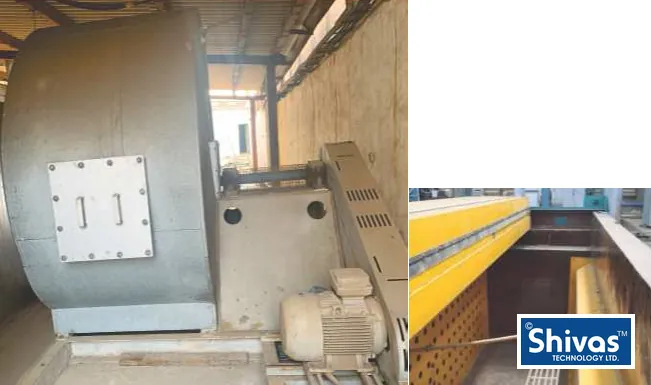
Heat for the dryer
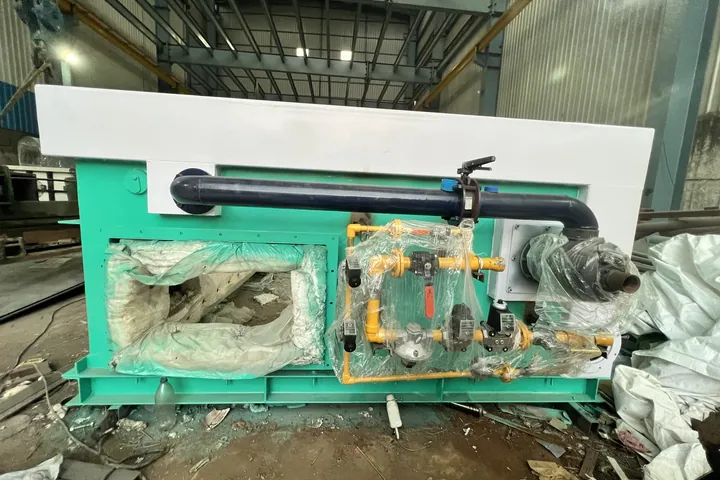
The furnace flue gas leaves at several hundred degrees, and a recirculating dryer can use that heat instead of a separate burner. In our plants the dryer is a pit with covers and several positions, so work can stay as long as its section needs while the next jig moves on.