Drawn wire size and ovality: how to measure it and keep it round
Oversize and oval wire come from the die, the die box and the line. How to measure diameter and ovality properly, and how a rotating die box keeps wire round.
Wire is sold by size. Mesh, nail, spring and fastener makers set their machines to it, and a customer who finds wire out of tolerance stops the line and sends the coil back. Wire that is too large gives steel away: wire 2 per cent oversize in diameter carries about 4 per cent more steel per metre. Size and roundness are decided almost entirely by the finishing die and the way it is held.
Measure it properly
- Use a micrometer with a ratchet or friction thimble, so every reading is taken at the same pressure, and check it against a setting standard.
- Measure at the same point in two directions at right angles. The larger and smaller readings give the diameter range, and their difference is the ovality.
- Measure at both ends of a coil and through the shift. Die wear shows as a size that creeps up over time.
- Wipe the wire first. Soap and lubricant on the surface add to the reading.
- On fast lines and fine sizes, an in-line laser gauge measures continuously in two axes and catches drift long before a sample would.
Why wire grows oversize
The size is set by the bearing of the finishing die, the short parallel land at the end of the approach cone. As the die works, the bearing wears, the bore opens and the wire grows with it. That wear is normal: the questions are how fast it happens, and whether the die is changed before the wire leaves tolerance. A sudden jump in size is different. It usually means the wrong die went in, or a die was misread or mislabelled, which is what die records are for.
Why wire goes oval
- Uneven die wear. If the wire enters off-centre, one side of the die does more work and wears faster, and the bore wears oval. Misaligned guides, a block out of line with the die, or wire pulled away at an angle all cause it.
- Uneven lubrication. A die that runs dry on one side wears on that side.
- A worn or damaged die holder that lets the die tilt.
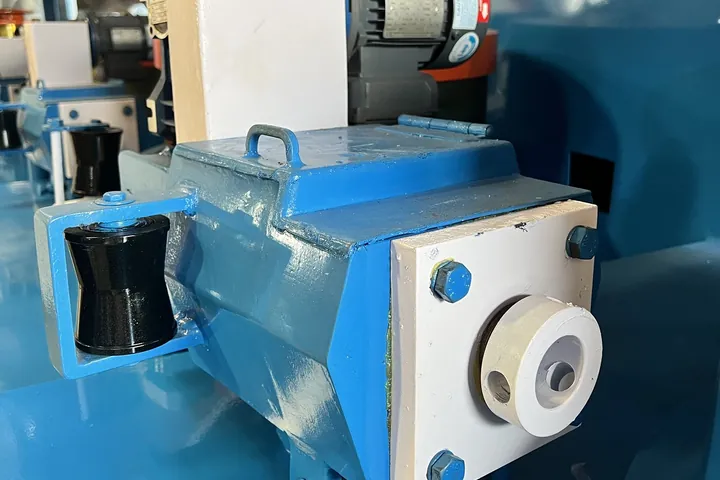
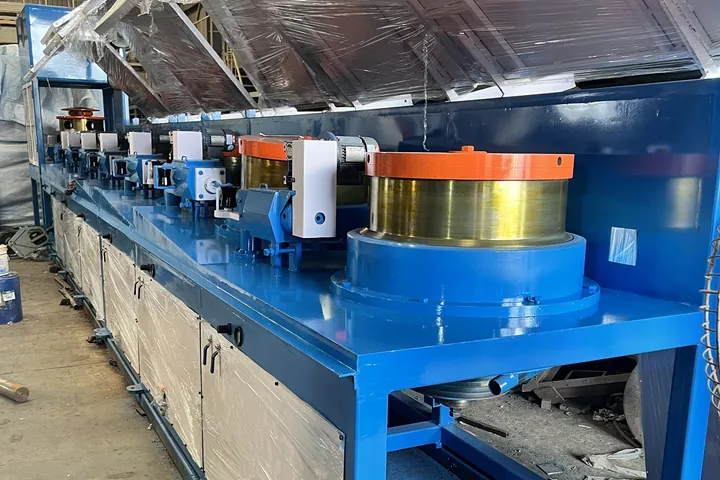
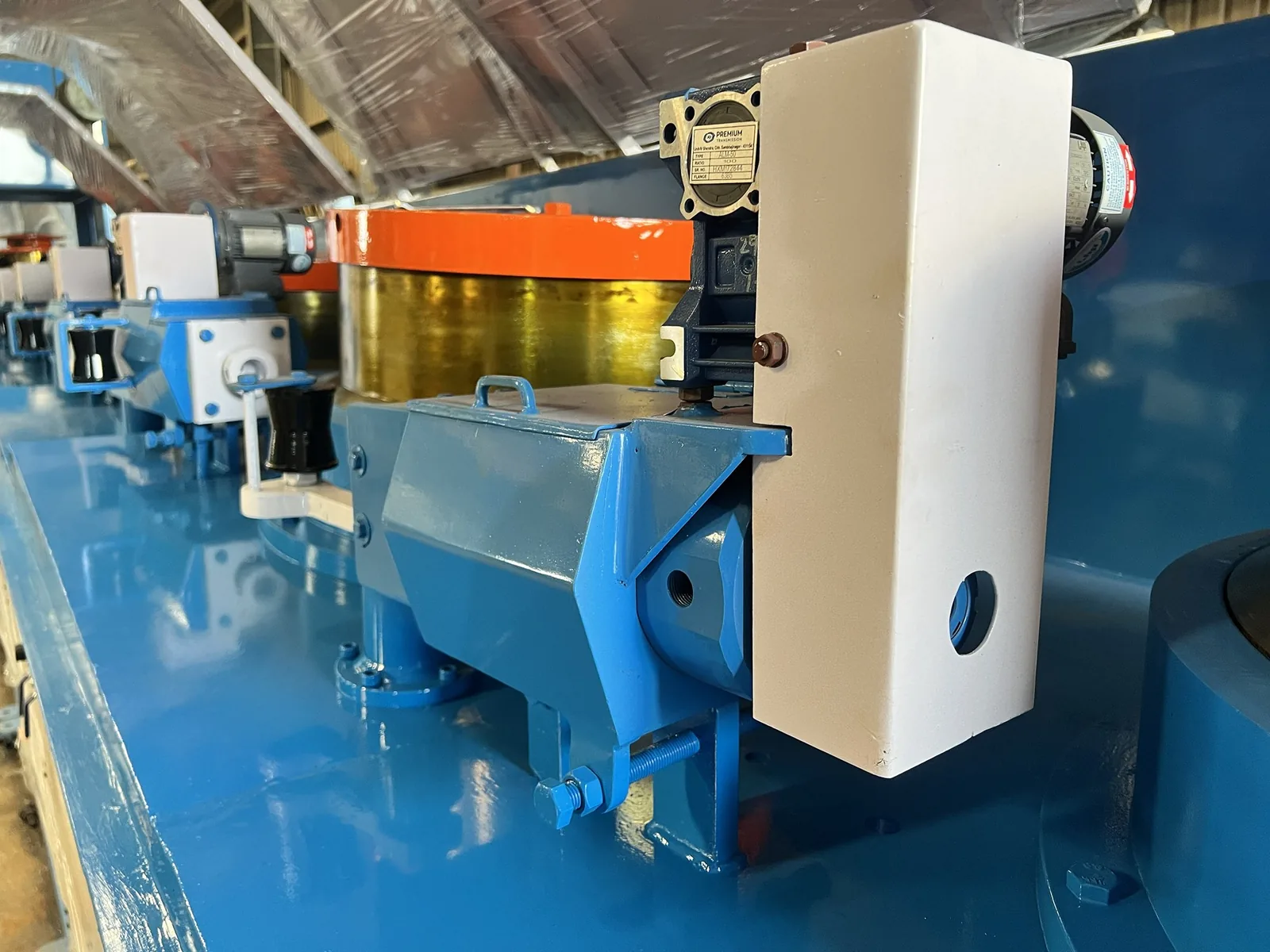
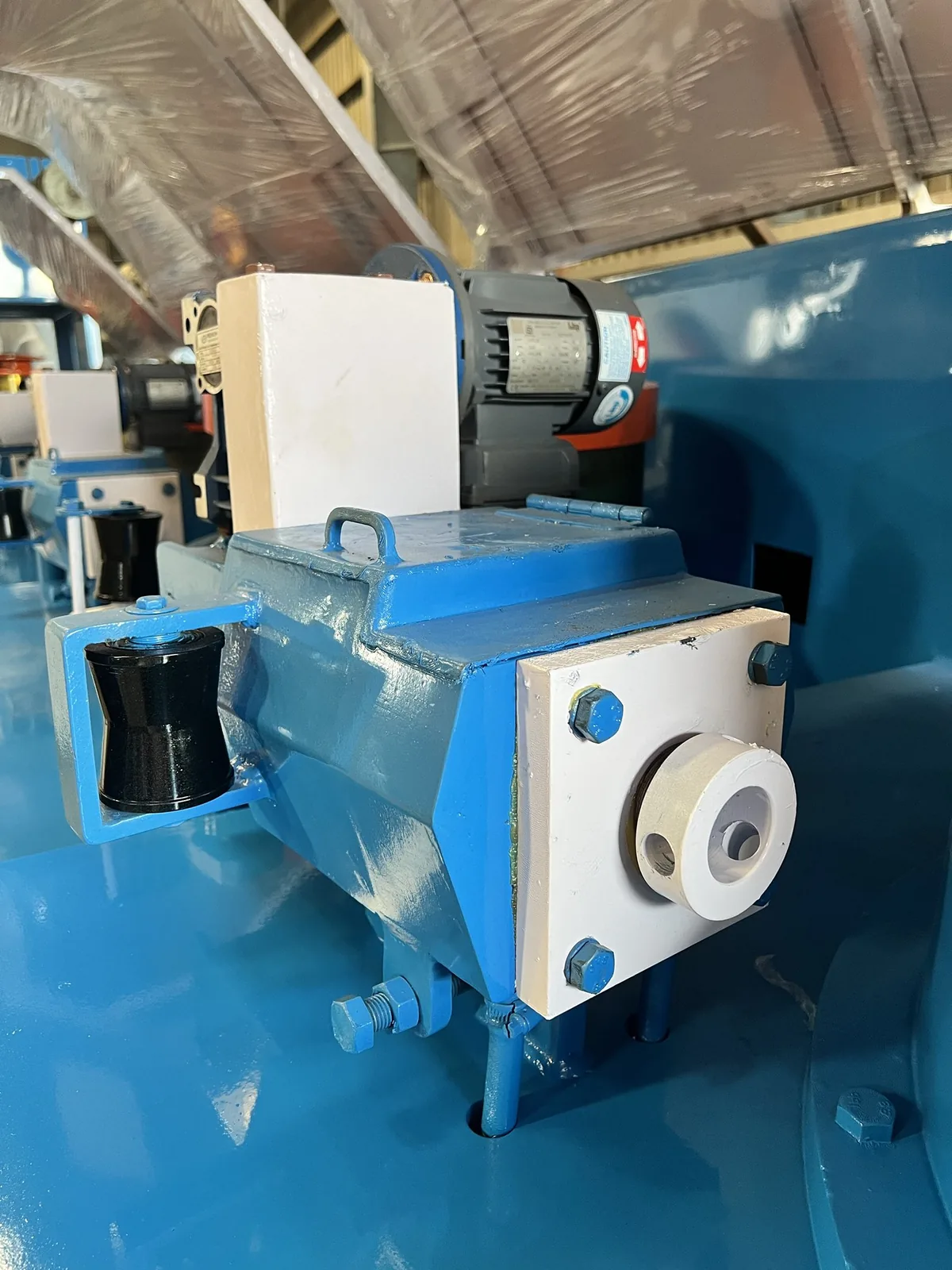
A rotating die box answers the first two causes directly. It turns the die slowly about its own axis while it works, so the wear is spread evenly round the bore. The bore stays round, the wire stays round, and the die lasts longer before it needs repolishing.
Tolerances
Wire product standards set both a diameter tolerance and a limit on ovality, and they differ by product and grade; IS 280, for mild steel wire for general engineering, is one example. Read the standard and the order before setting the line, and aim the size inside the tolerance band, not at its edge, so that normal die wear has room to work.
What the readings tell you
| What you measure | Likely cause | What to do |
|---|---|---|
| Size creeps up through the shift or along the coil | Normal die wear | Change dies on a schedule; record die life |
| Size jumps after a die change | Wrong die, or a misread size | Check the die marking and the die record |
| Oval, long axis the same way every time | Die worn oval; die or guide misaligned | Rotate or change the die; align the holder with the block |
| Oval, with a scratch on one side | Lubricant starved on one side | Clean the soap box; check the soap feed |
| Sizes differ wire to wire on a multi-wire line | Dies differ | Match dies across lines; measure every die before use |