Low, uniform heat flux.
SHIVAS Technology · Galvanizing
Electric kettle furnace
Electric kettle heating: no flame, no flue, low and even wall heat, with every zone under thyristor control.
- 8 zones
- Thyristor PID
- No flue
- Insulated lid
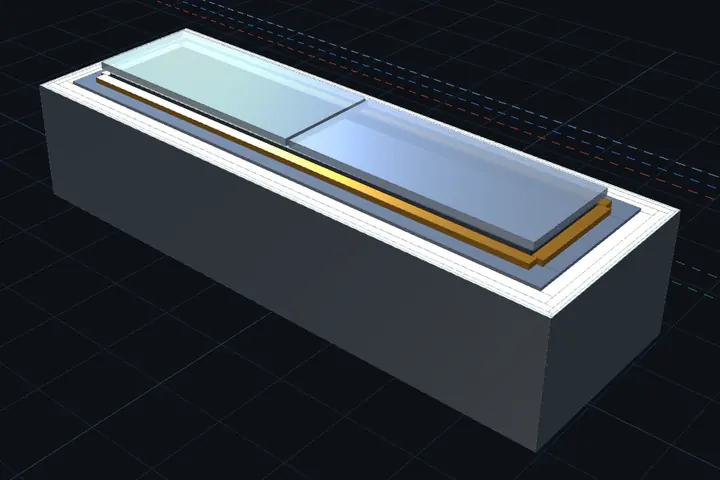 3D model · not a photo
8 zonesindependent thyristor control
No flueno combustion gas at the bath
Low wall fluxheat spread over the whole wall
Overview
An electric furnace hangs resistance elements on the furnace walls facing the kettle. Each zone has its own thermocouple and thyristor controller, so the wall is heated evenly at a low flux, which is kind to the kettle and gives tight zinc temperature control.
Where electricity is reliable and fairly priced, or where combustion and flue emissions are a problem, electric heating is simple to run and maintain. The insulated lid keeps idle losses low.
Why it pays
No flame, no flue gas at the bath.
Zone control within a few degrees.
Elements replaced zone by zone.
Technical specification
Typical ranges. Every unit is sized to your duty; the offer carries the exact figures.
| Heating | Wall-hung resistance elements |
|---|---|
| Control | Thyristor power controllers with PID per zone |
| Zones | Typically 6 to 8 |
| Lining | Ceramic fibre with backup insulation |
| Lid | Insulated cover for idle hours |
How it works
Electric kettle furnace
Watch it run →No burners and no flue at the kettle. Resistance elements line the furnace walls in eight independently controlled zones. Thyristor controllers trim each zone to its own thermocouple, so the wall flux stays low and even and the kettle lasts.
Shown running as: Heat-up · Hold · PID · Lid closed
Main parts
- 1Heating elementsWall-hung resistance elements facing the kettle.
- 2Zone controlEight zones, each with its own thyristor and thermocouple.
- 3Radiant gapEven radiant gap between elements and kettle wall.
- 4Zinc kettleKettle-grade steel, heated through its walls.
- 5LiningCeramic fibre and insulating brick behind the elements.
- 6Thyristor panelSCR power controllers, one per zone.
- 7Over-temperatureIndependent wall high-limit trips the zone.
- 8Insulated lidCloses over the bath when idle to cut losses.
At a glance
- Power
- 840 kW · 8 zones
- Control
- Thyristor · zone PID
- Wall flux
- ≈ 25 kW/m²
- At the kettle
- No flame, no flue
Options, build and uses
Options
- Standby diesel generator interface
- Energy metering by zone
How we build it
- Casing and lining by SHIVAS
- Elements and thyristor panels from established makers
Who it is for
- Plants with reliable, competitive power
- Spin and small-parts kettles
- Sites where flue emissions are restricted
Part of
3D model
Open the interactive 3D →Computer model from a real SHIVAS project. It shows the arrangement; it is not a photo.
Questions buyers ask
Is electric cheaper than gas?
It depends on your tariff; the plant calculator lets you compare both on your numbers.
From our engineers
Practical notes from the engineers who design and build these plants.
- Gas, oil or electric: choosing your galvanizing furnace fuelFurnaces · 3 min read
- High-velocity burners and kettle life: heat the wall evenly, not harderFurnaces · 4 min read
- Is your kettle wearing out? Wall checks and warning signsFurnaces · 3 min read
- Installing a new zinc kettle: setting, insulation and the first meltFurnaces · 3 min read
Enquiry · Electric kettle furnace
Get a quote
Tell us the capacity, sizes and site. We reply with a scheme, a layout and an offer.
What we need for your quote
- Kettle size
- Available power and tariff
- Throughput